
Comparing Traditional HVAC Systems to Ductless Split Systems


Understanding Traditional HVAC Systems
Traditional HVAC systems, often referred to as central air conditioning, have been a staple in residential and commercial buildings for decades. These systems utilize a network of ducts to distribute air throughout a building. A central unit, usually located outside, cools or heats the air, which is then circulated via ducts.
One of the main advantages of traditional HVAC systems is their ability to efficiently cool or heat large spaces. They are particularly effective in buildings with multiple rooms or floors. However, the installation process can be quite complex and costly, especially in older buildings without existing ductwork.
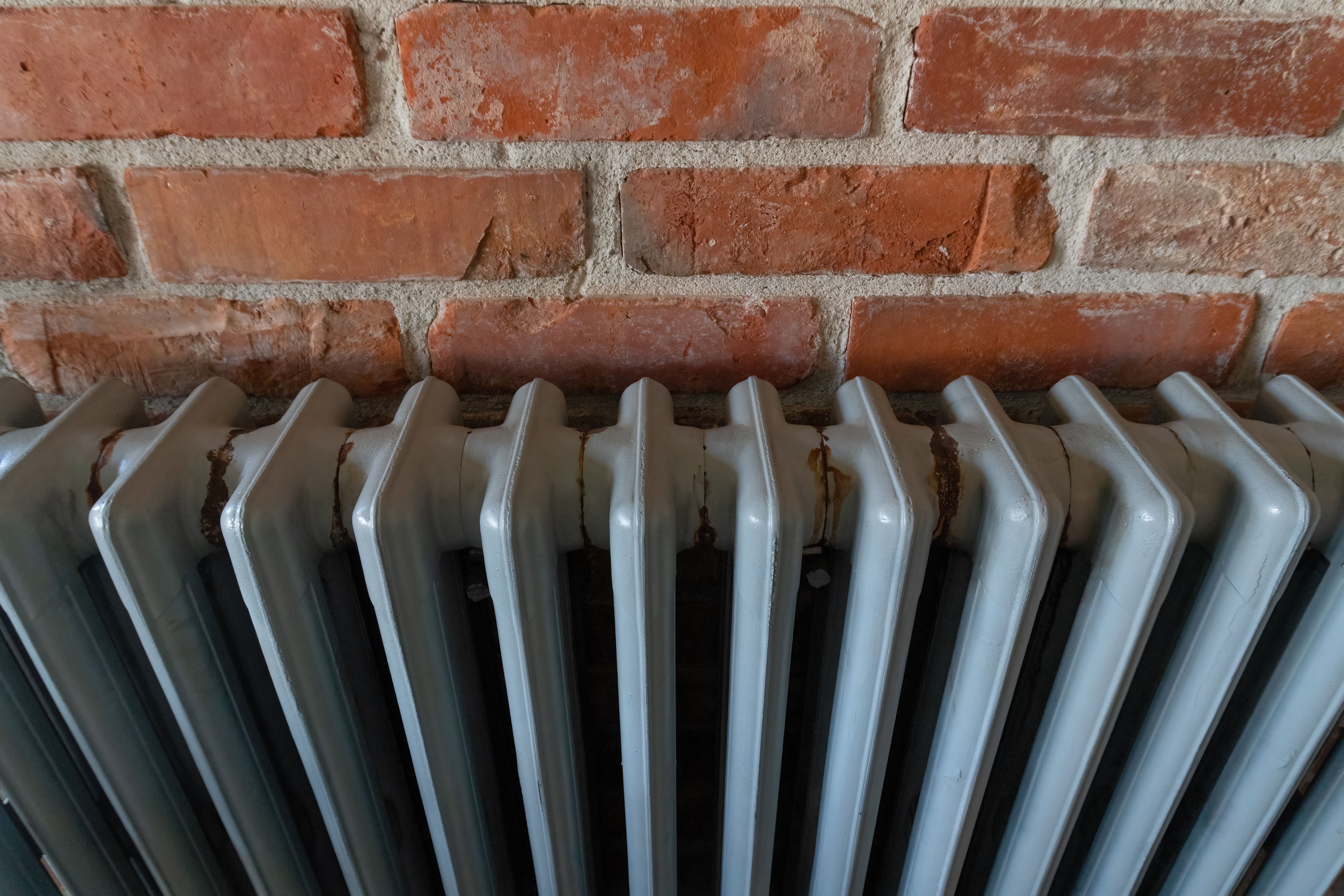
Pros and Cons of Traditional HVAC Systems
Traditional HVAC systems offer several benefits, including:
- Efficient temperature control: Ideal for maintaining consistent temperatures across large areas.
- Centralized operation: Easy to manage from a single thermostat.
However, there are also some drawbacks:
- High installation costs: Especially in homes without existing ductwork.
- Energy consumption: These systems can be less energy-efficient, leading to higher utility bills.
Introducing Ductless Split Systems
Ductless split systems, also known as mini-split systems, are a modern alternative to traditional HVAC systems. As the name suggests, these systems do not require ductwork. Instead, they consist of an outdoor compressor and one or more indoor units that deliver air directly into different zones of a building.
This technology provides greater flexibility in terms of installation and energy efficiency. Each indoor unit can be controlled independently, allowing for customized temperature settings in different areas.
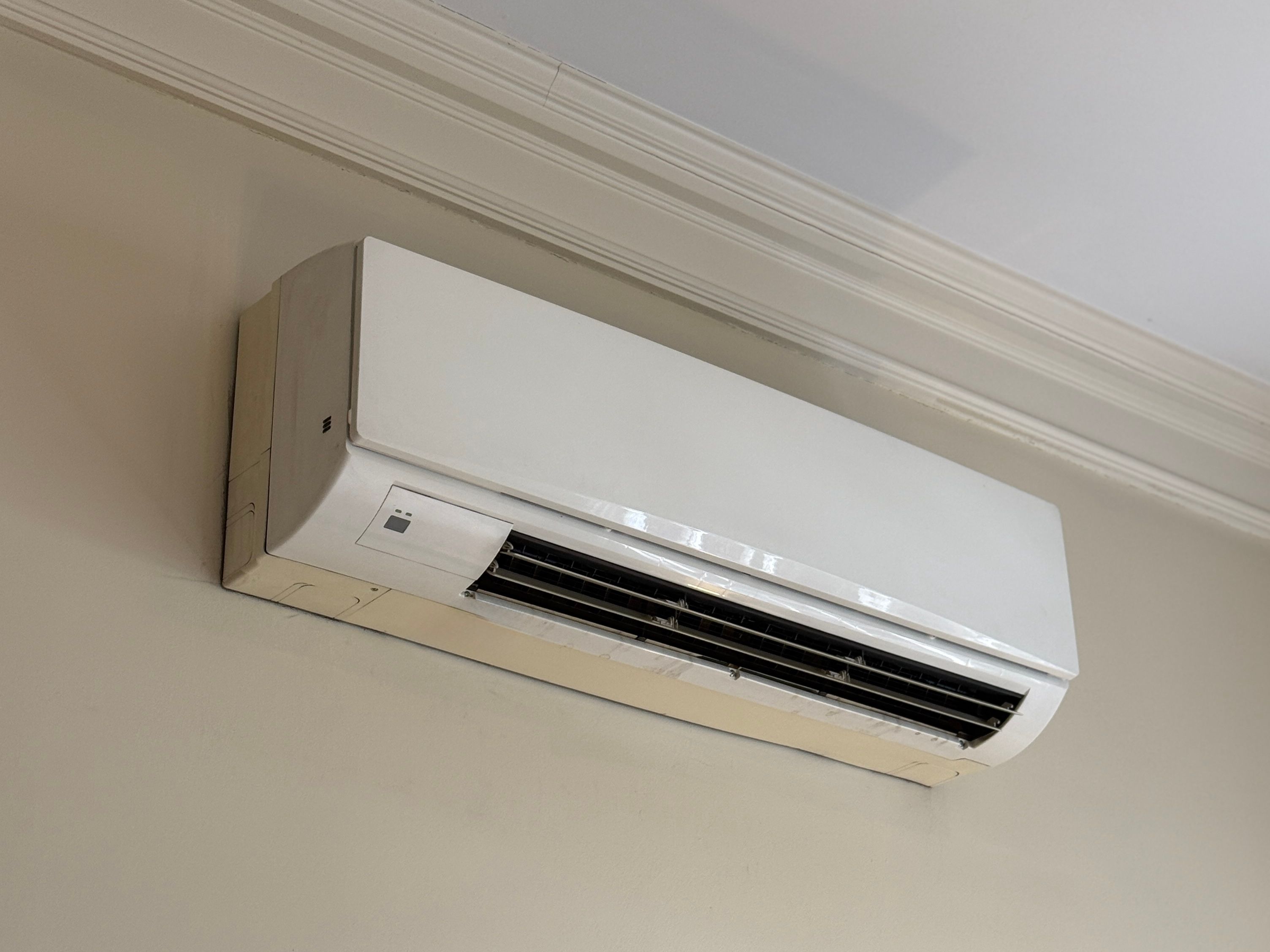
Advantages of Ductless Split Systems
Here are some key benefits of ductless split systems:
- Energy efficiency: These systems typically consume less energy since they avoid the energy losses associated with ductwork.
- Flexible installation: Ideal for homes without existing ducts or for specific zones within a larger building.
- Individual control: Different areas can be heated or cooled according to personal preferences.
Comparing the Two Systems
When comparing traditional HVAC systems to ductless split systems, it's essential to consider your specific needs and circumstances. Traditional systems are often more suitable for buildings that already have ductwork in place and require uniform temperature control across large spaces.
In contrast, ductless systems shine in situations where installation of ducts is impractical or where energy efficiency and individual room control are priorities.

Making the Right Choice
Choosing between a traditional HVAC system and a ductless split system depends on various factors, including the size and layout of your space, budget considerations, and energy efficiency goals. Consulting with an HVAC professional can provide valuable insights tailored to your specific needs.
Whether you opt for a traditional or ductless system, both have their unique advantages that can enhance comfort and efficiency in your home or business.